BUK, ACEPHAP, host Gates Foundation, showcase Public Health Innovations
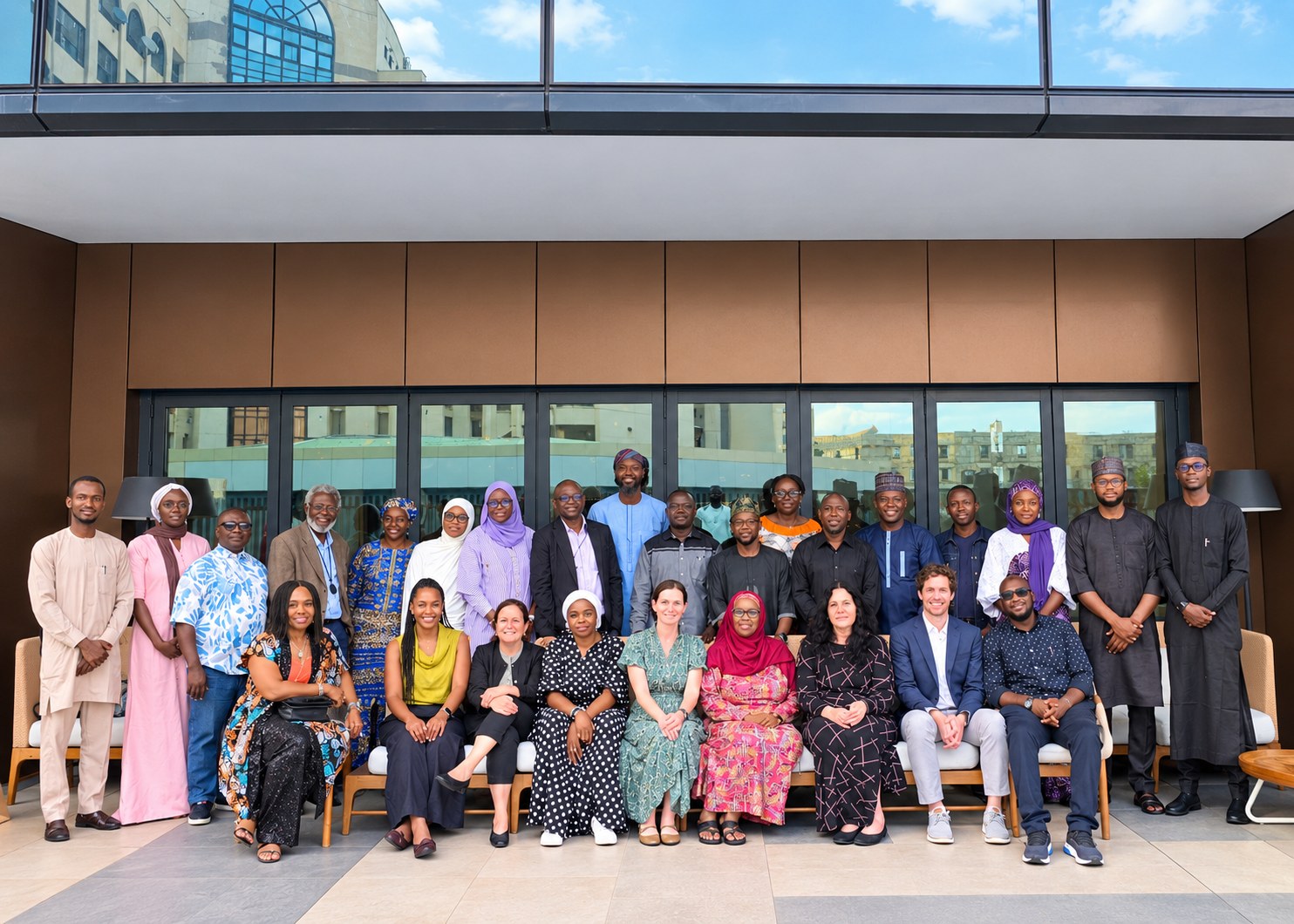
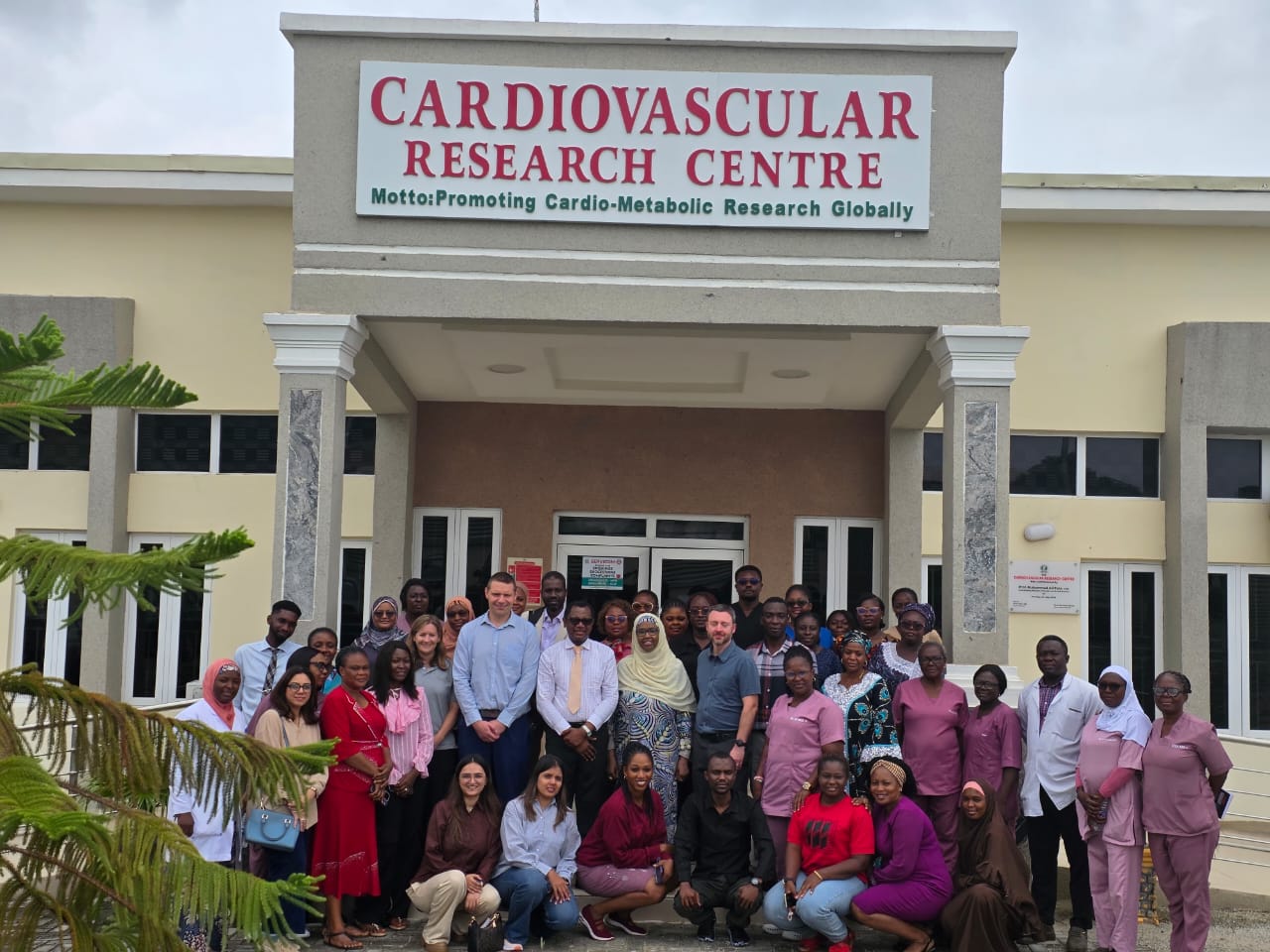
Advancing maternal health and childcare in Nigeria, African Centre of Excellence for Population Health and Policy (ACEPHAP) showcased its growing contribution to public health research, policy translation, health systems strengthening and innovation during a high-level engagement with representatives of the Gates Foundation at Bayero University Kano (BUK).
Gates Foundation delegation acknowledged ACEPHAP's progress in moving innovations from research to policy and eventually to implementation at scale. Mr. Ankur Vora, President Africa, India Offices & Chief Strategy Officer, during his remarks, commended the Centre's ability to move rapidly from innovation to policy and scale, while highlighting its emphasis on data, measurable impact and the training of the next generation of public health leaders.
The engagement also opened discussions around opportunities for broader future collaboration between the Gates Foundation and Bayero University Kano, including potential areas such as artificial intelligence and other emerging technologies.
In his remarks, the Vice-Chancellor of Bayero University Kano, Prof. Haruna Musa FSI, reaffirmed the University's commitment to creating an enabling environment for research, collaboration and innovation. He noted that BUK supports its research centres in implementing high-quality research while encouraging strategic partnerships.
“Bayero University Kano is committed to creating an enabling environment in which research can translate into meaningful solutions for society. Our research centres are critical to this vision, and we will continue to encourage collaboration, innovation and strategic partnerships that strengthen the University's contribution to evidence generation and development.”
Speaking during the engagement, the Director of ACEPHAP, Prof. Hadiza Shehu Galadanci, highlighted the Centre's role in leading and supporting scalable health innovations, particularly in maternal health.
“Our experience has demonstrated that research has the greatest impact when evidence is deliberately translated into policy and practice. From identifying a critical public health problem to generating evidence, developing an appropriate intervention, engaging policymakers and implementation partners, and taking that intervention to scale, every stage requires strong partnerships and sustained stakeholder engagement”, she said.
“The lessons from our work show us that sustainable improvements in maternal health come from combining evidence, health-system strengthening and community engagement. No single intervention works in isolation. The impact we are seeing is the result of bringing different components together and ensuring that they work within the health system,” she added.
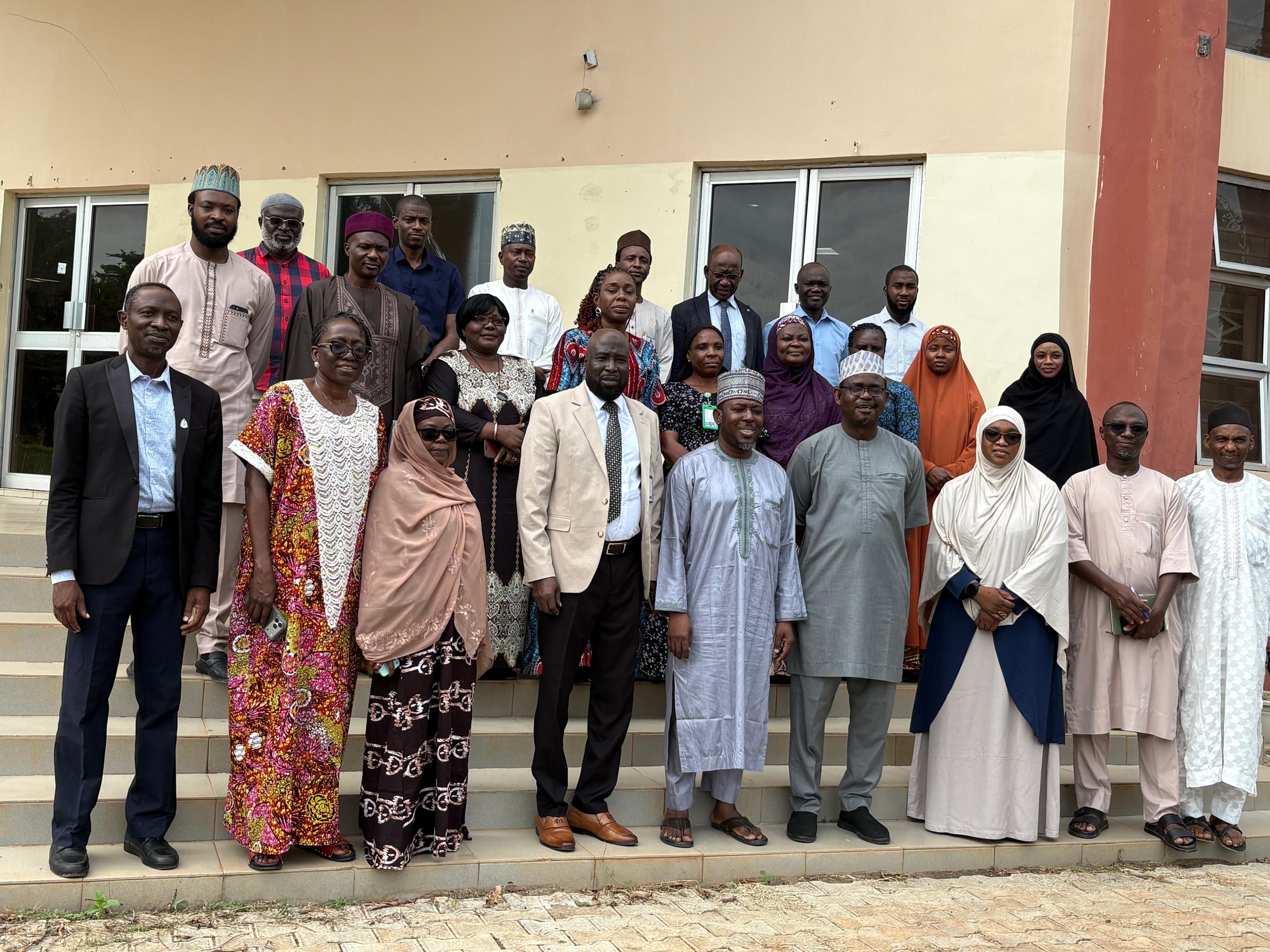
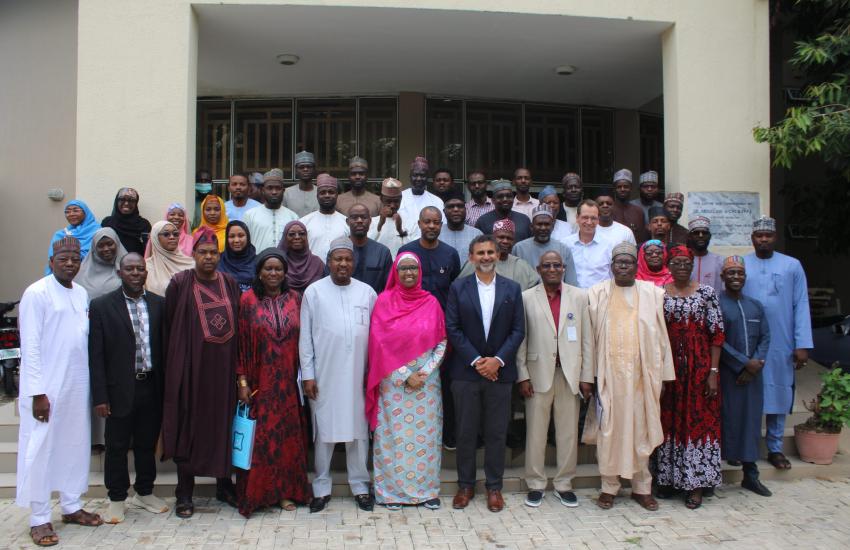
The engagement brought together representatives of the Gates Foundation, the leadership of BUK, ACEPHAP, Aminu Kano Teaching Hospital and other key research and health stakeholders.
Some of the major milestones of ACEPHAP highlighted during the engagement was the Kano State Surveillance and Evaluation Project (KASSEP) and E-motive.
For ACEPHAP, the engagement was more than an opportunity to present achievements. It provided a platform to reflect on how research institutions can respond to complex public health challenges through evidence, innovation, partnerships and implementation.
You can join the conversation on:
- Instagram: @acephap_buk
- LinkedIn: @acephap
- Facebook: @acephap
- X/Twitter: @acephap_buk