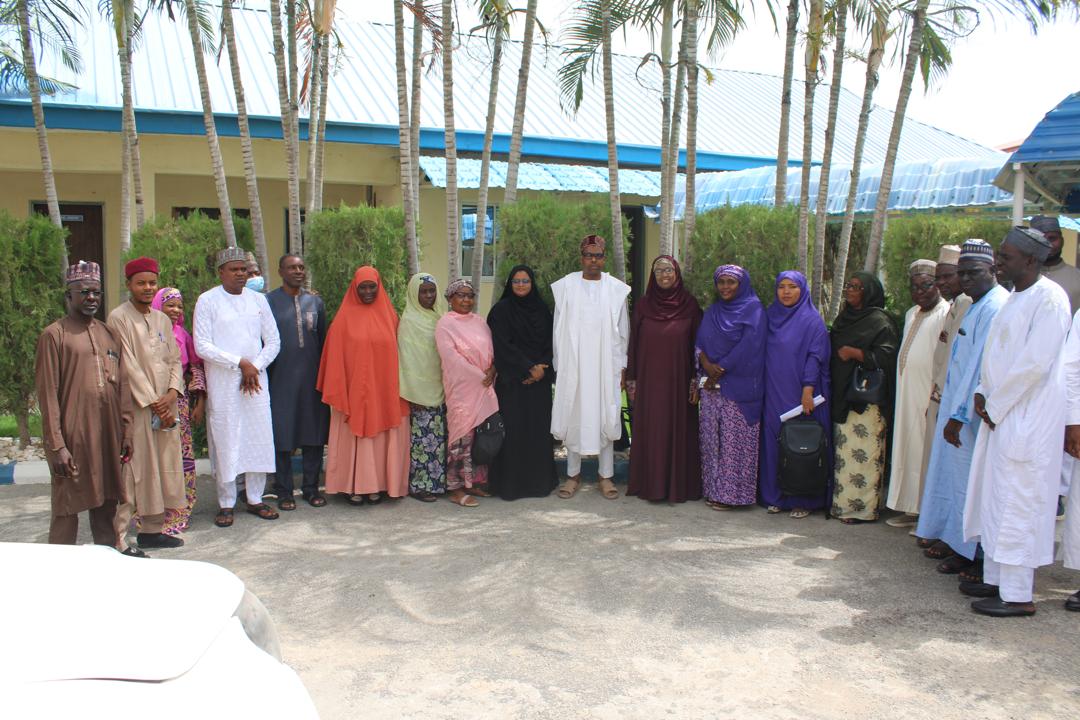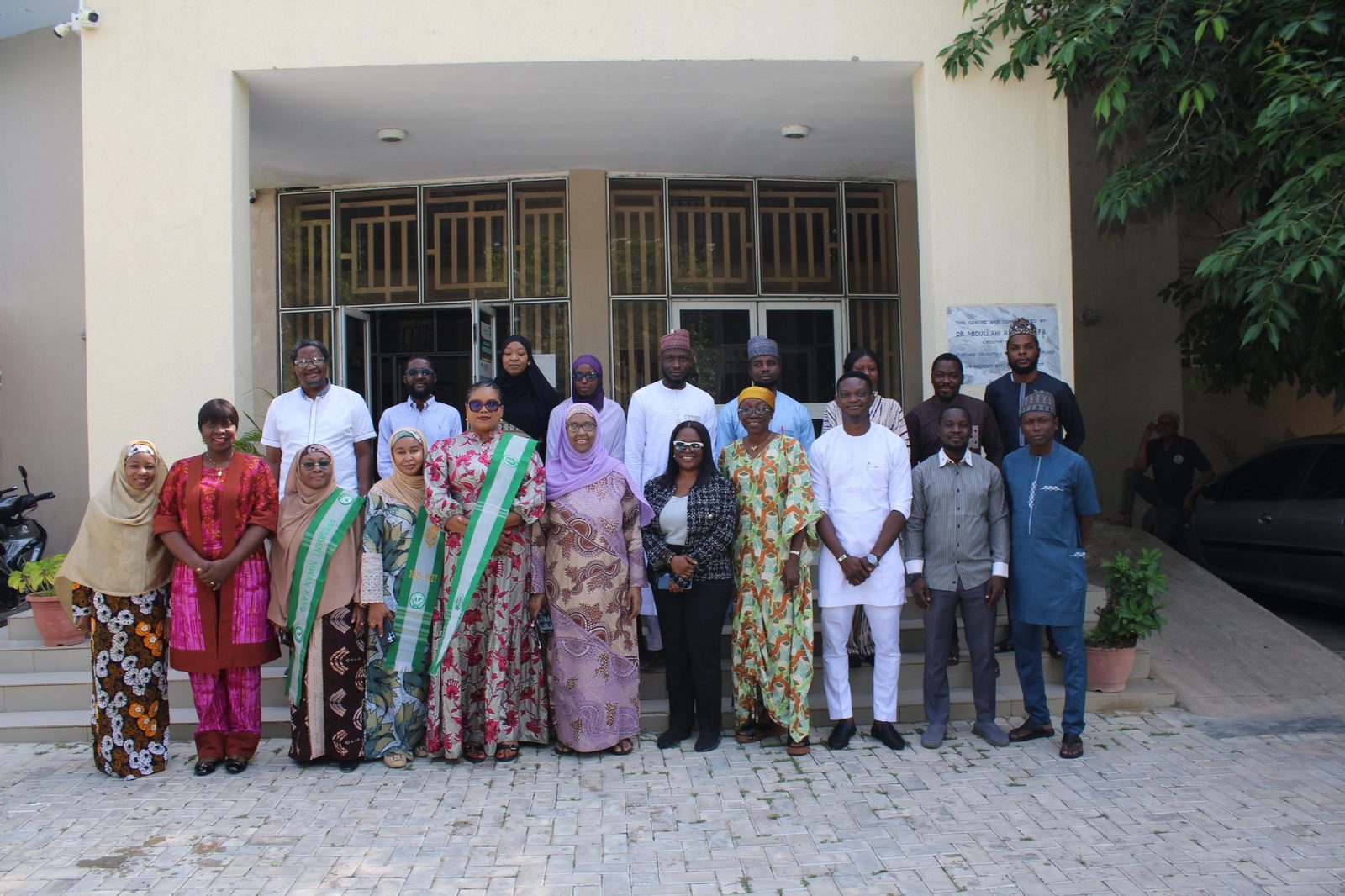
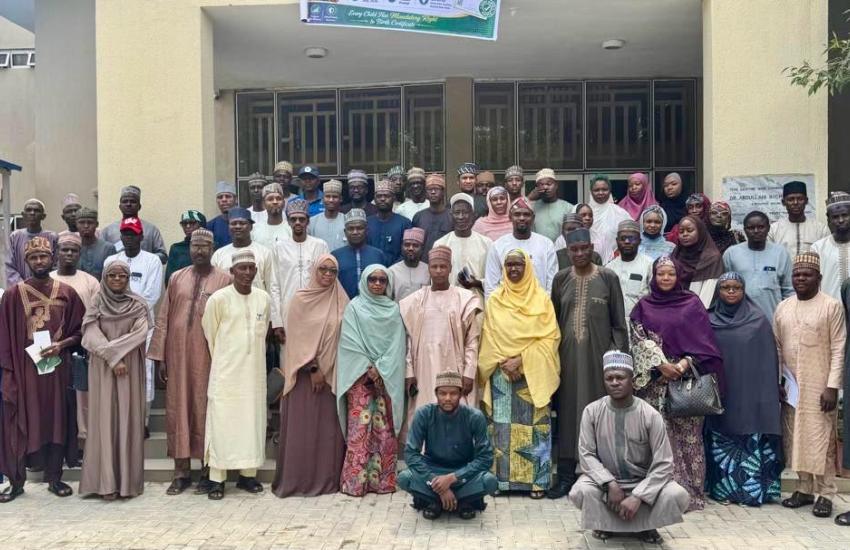
ACEPHAP, National Population Commission train supervisors on e-CRVS Birth Registration and Maternal Mortality Surveillance in Kano
Africa Centre of Excellence for Population Health and Policy (ACEPHAP), through the Kano State Surveillance for Evidence and Policy (KASSEP) initiative, collaborated with the National Population Commission (NPC), Kano State Office, to conduct a four-day capacity-building training on electronic birth registration, maternal mortality surveillance and KASSEP dashboard data retrieval.
Speaking during the opening session, the Director of ACEPHAP, Prof. Hadiza Shehu Galadanci, described reliable data as essential for effective policy development and improved maternal and child health outcomes.
“Every child deserves to be recognized and documented from birth, and every maternal death must provide us with information that can help prevent another family from experiencing the same loss. Through this collaboration, we are strengthening the connection between data generation, evidence-based policy and action,” Prof. Galadanci said.
She reaffirmed ACEPHAP’s commitment to supporting the Kano State Government and relevant institutions in building sustainable surveillance systems that promote accountability, responsive planning and improved healthcare delivery.
The State Commissioner of the National Population Commission in Kano State, Dr. Aminu Ibrahim Tsanyawa, commended ACEPHAP and KASSEP for partnering with the Commission to improve access to electronic birth registration.
“The transition to electronic Civil Registration and Vital Statistics presents an important opportunity to improve the completeness, accuracy and timeliness of birth registration in Kano State. This pilot will contribute to ensuring that every eligible child is registered and provided with an official legal identity,” Dr. Tsanyawa stated.
The training was organized to prepare relevant supervisors for the pilot implementation of the initiative across 10 selected Local Government Areas in Kano State. It focused on strengthening participants’ practical skills in electronic Civil Registration and Vital Statistics—commonly known as e-CRVS—as well as the accurate reporting, retrieval and use of maternal mortality data.
In his presentation, Prof. Baba Maiyaki emphasized that collecting data alone would not produce the desired improvements unless the information was properly analyzed and translated into action.
“The value of data is realised when it is used to identify gaps, guide the allocation of resources and improve the quality of services. The KASSEP dashboard should not merely serve as a platform for storing figures; it should support timely decisions that respond to the needs of women, children and communities,” Prof. Maiyaki said.
He called on the trained supervisors to ensure that data generated from the pilot LGAs were complete, consistent and regularly reviewed. According to him, sustained attention to data quality would enable decision-makers to understand local challenges and introduce appropriate interventions.
The ACEPHAP Project Manager, Dr. Fatima Muhammad, explained that the training was deliberately designed to combine technical presentations with practical demonstrations and hands-on exercises.
“Participants are expected to leave this training with the confidence and practical competence required to use both the e-CRVS platform and the KASSEP dashboard. The pilot across the 10 LGAs will help us understand operational realities, document lessons and refine the approach before further expansion,” Dr. Muhammad explained.
She added that ACEPHAP and KASSEP would continue to provide technical assistance, supportive supervision and mentorship during implementation.
Participants were introduced to the KASSEP dashboard by Mr. Abdurrahman Ibrahim and trained on how to access, retrieve and interpret maternal mortality and other related data. They also received practical instruction on birth registration workflows, data-quality assurance, accurate address capture, photograph requirements for National Identification Number and birth certificate processing, and the identification and correction of common data-entry errors.
The program brought together participants from State Ministry of Health (SMOH), Kano State Primary Healthcare Management Board (SPHCMB), Kano State Bureau of Statistics (KBS) and National Population Commission (NPC), involved in birth registration, maternal health surveillance and public health information management. It also recognized the central role of accurate and timely data in improving health planning, protecting children’s rights and preventing avoidable maternal deaths.
The training sessions included an overview of maternal mortality surveillance, an introduction to the KASSEP dashboard, dashboard login procedures, retrieval of maternal mortality information and practical exercises on accessing relevant data.
Participants were also trained on e-CRVS birth-registration procedures, data integrity, accurate address documentation, photograph quality and corrective measures for common errors. Knowledge assessments, technical brainstorming sessions, questions and answers, daily recaps and group discussions were incorporated into the program to reinforce learning.
In his closing remarks, the State Director of the National Population Commission in Kano State, Mr Basheer Muhammad Dambazau, appreciated ACEPHAP, KASSEP, NPC resource persons and the participants for contributing to the success of the program.
“The true measure of this training will be seen in the quality of implementation across the selected LGAs. I urge all participants to apply the knowledge gained with diligence and to prioritize accuracy, timeliness, confidentiality and accountability throughout the pilot,” Mr Dambazau said.
You can join the conversation on:
- Instagram: @acephap_buk
- LinkedIn: @acephap
- Facebook: @acephap
- X/Twitter: @acephap_buk